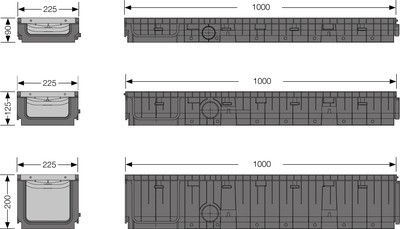
-
PRODUCT DESCRIPTION
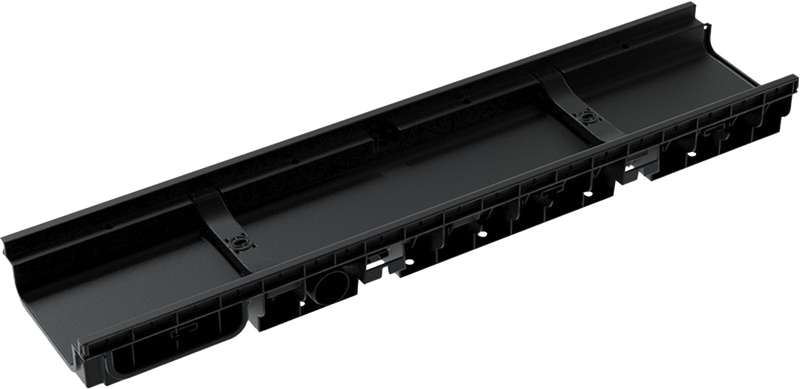
ANRIN plastic channels in the LC-150 series are made of PE-HD. The material is particularly resistant to all chemical-organic substances and is “self-cleaning.” Shock-resistant, unbreakable, and high-performance—even with large temperature fluctuations.
-
PRODUCT INFORMATION
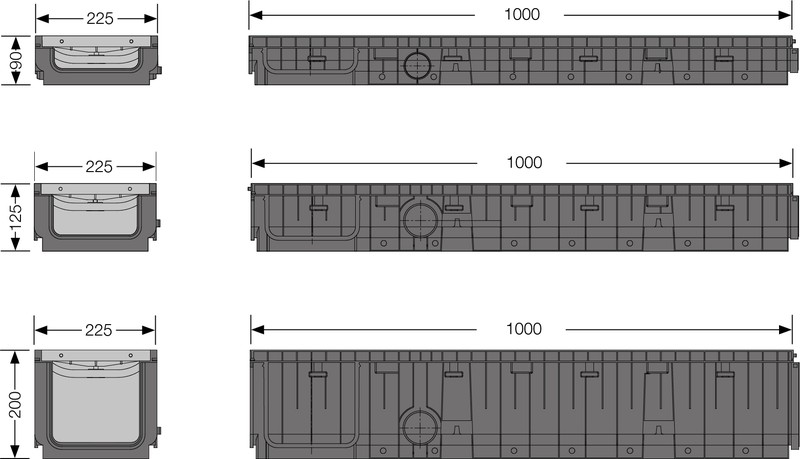
Material polyethylen Length 100 cm Width 20.0 cm Height 9.0. 12.5. 20.0 cm Weight 4.6 - 20.8 kg kg Nominal width 150 Joint formation overlapping joint with latching system
Clasp Locking bridge Load capacity A15 (test force 15 kN) to C250 (test force 250 kN) -
SERVICE AND CONTACT
Do you have questions about the product?
Get in touch with us
Tel.: +49 (0) 29 47.97 81-0
Mail: info@anrin.com
Find your local contact person through our ZIP code search
Accessorie for plastic channel LC-150
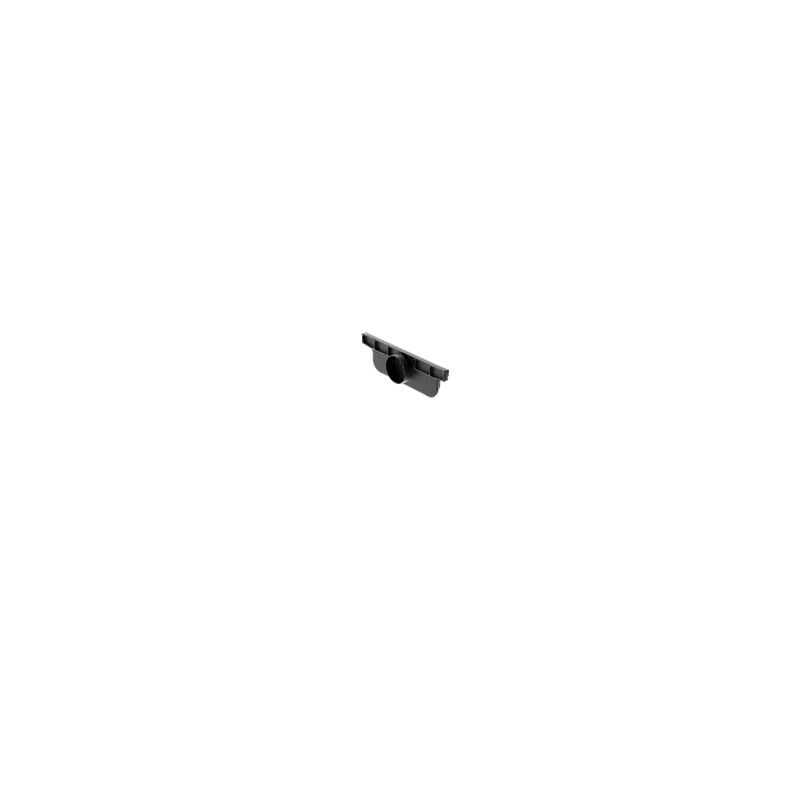
Stirnwandset LC-150 090
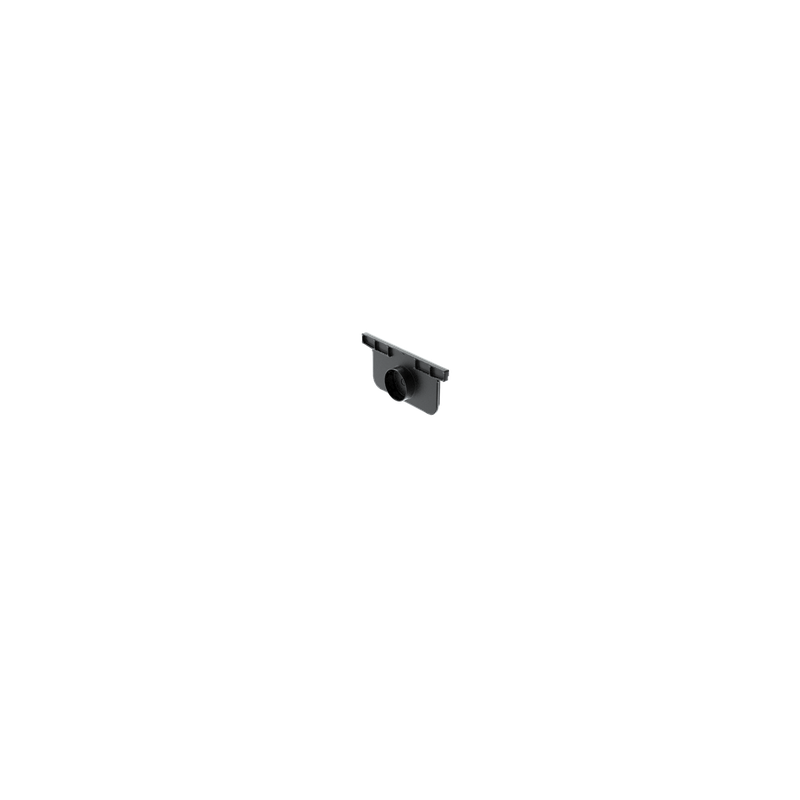
Stirnwandset LC-150 125
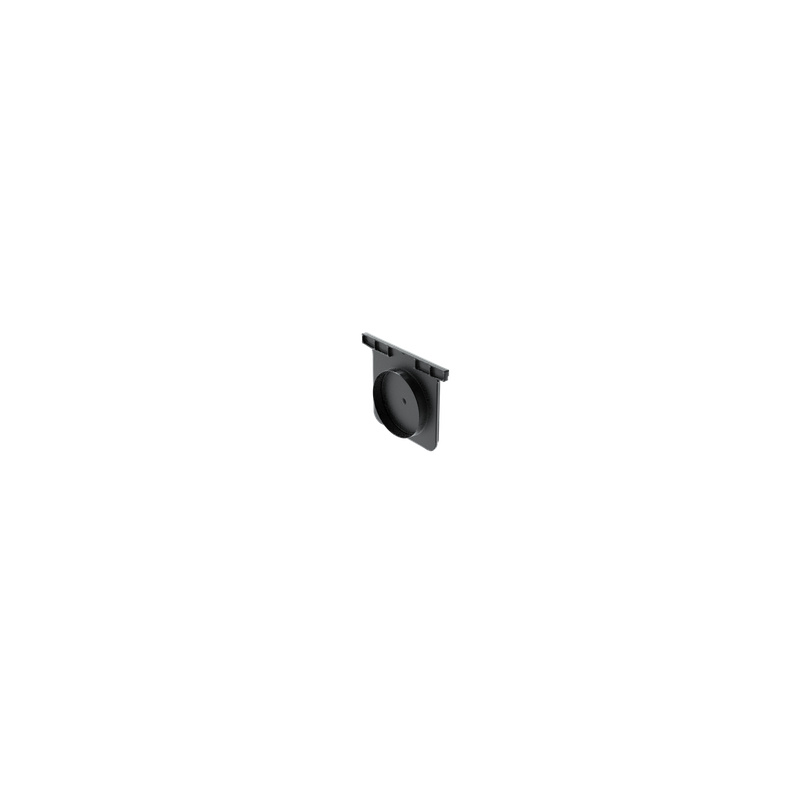
Stirnwandset LC-150 200
Matching grates
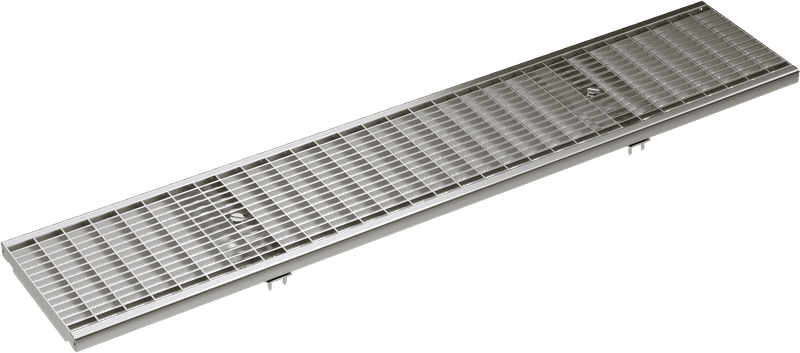
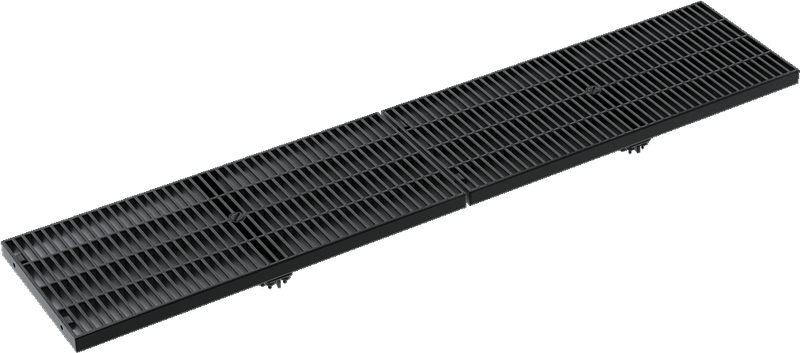
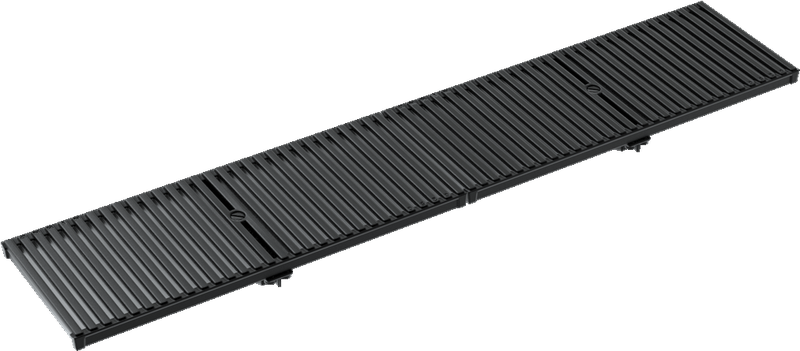
Installation guide
SELF installation instructions
With ANRIN drainage systems, accumulating rainwater should be drained safely and quickly. Moreover, the structural elements have the task of accommodating dynamic loads arising from traffic-related demands and dispersing them to the area of the foundation.
Amongst others, the following technical rules and regulations in their respective valid versions must be observed for the selection, design and installation of ANRIN drainage systems.
The following installation guidelines are schematic representations. These are provided as examples and are non-binding. The information provided here is based on our long-term experience in excavation and road construction as well as the state-of-the-art technology. Despite this, designers and planners are always obligated to check the products and the installation instructions for their appropriateness. The example details are simplified recommendations for execution.
Constructions are to be re-created on a project-specific basis.
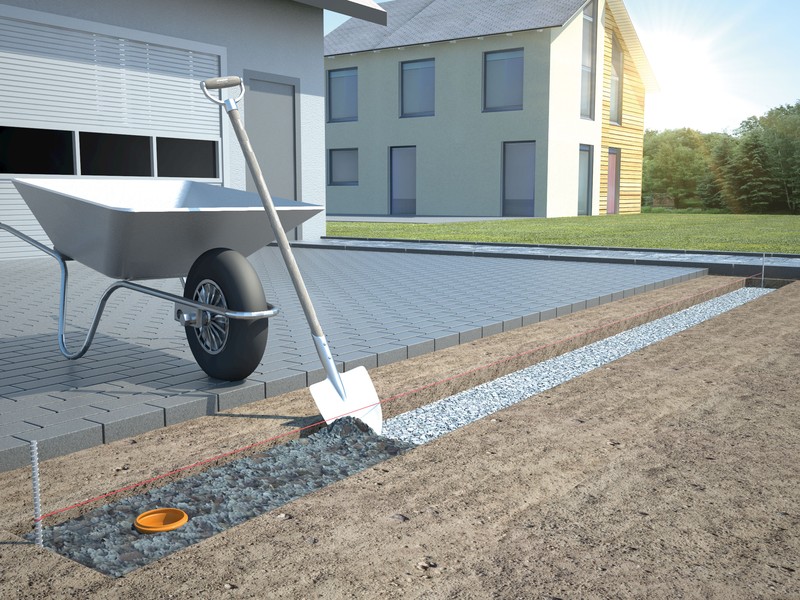
1.
Excavate trench. Fill in and pre-compact base course. Apply concrete pad, 3 parts sand + 1 part cement + 1 part water, to base course.
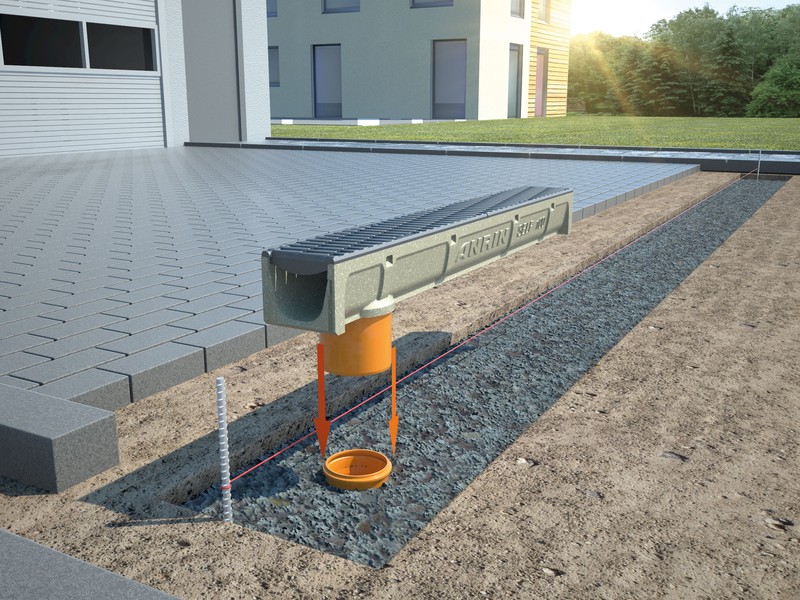
2.
Connect pipe connections to the pipeline.
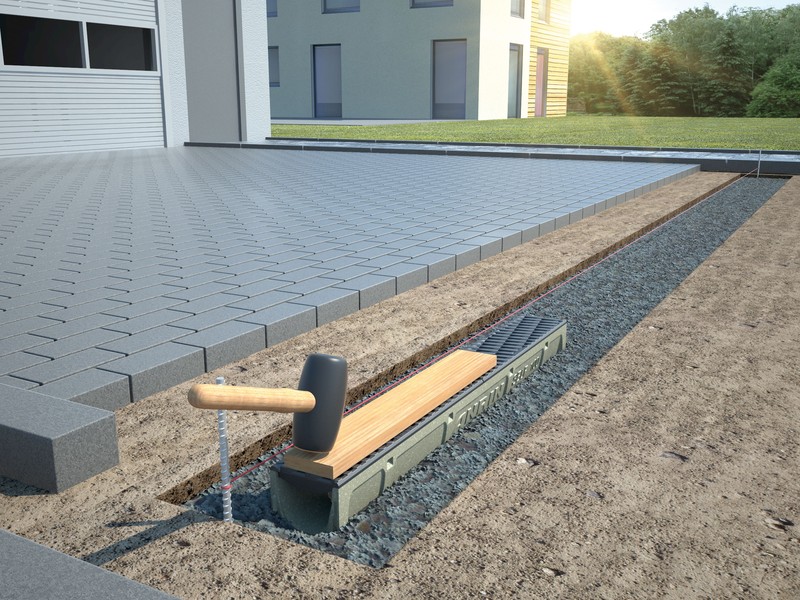
3.
Place channel elements and sump unit on the concrete pad. Align components so that they are level.
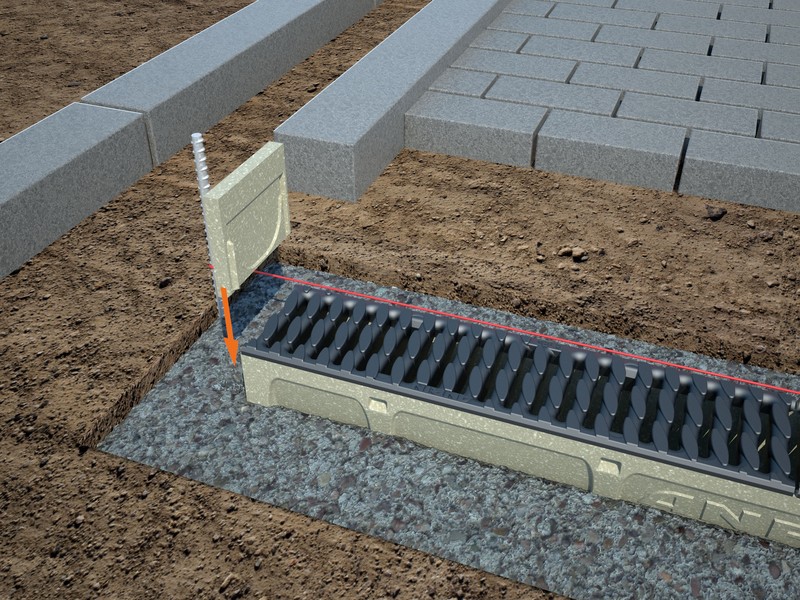
4.
Position end caps.
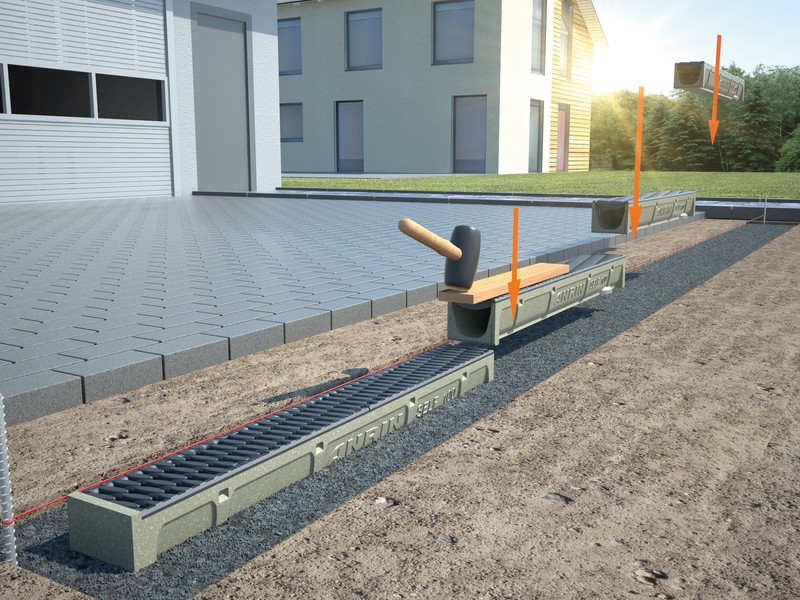
5.
Complete the series and ensure the level alignment of the components.
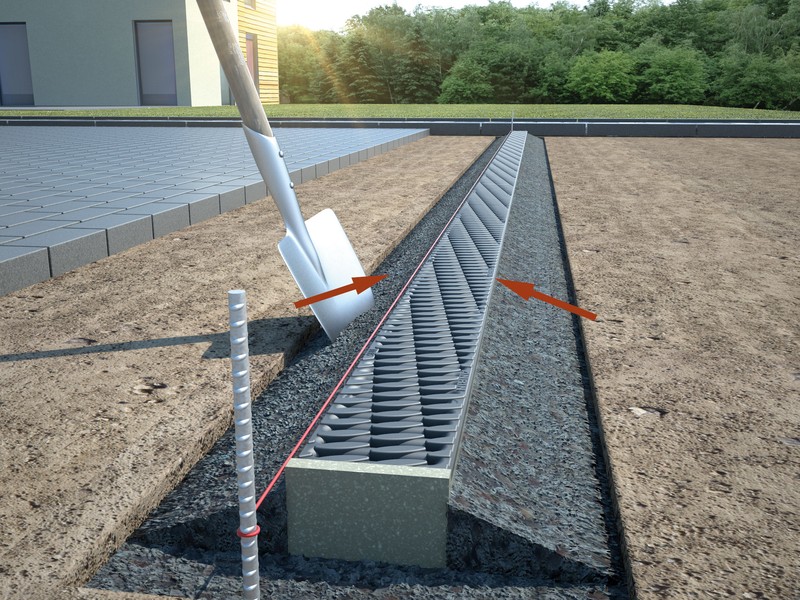
6.
Backfill the concrete pad.
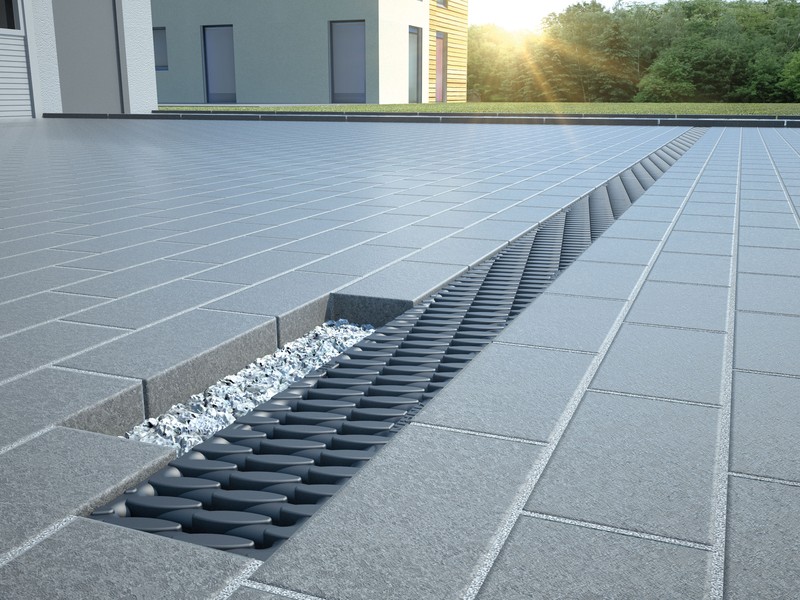
7.
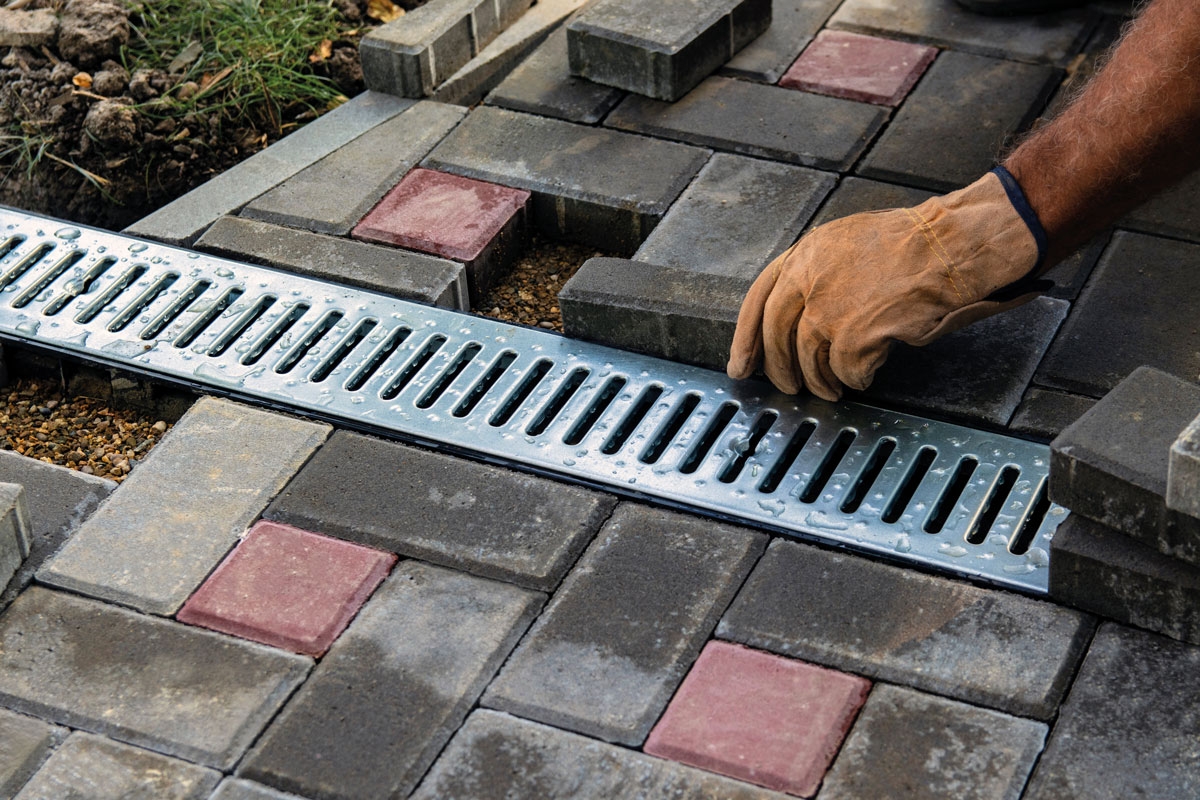
Lay the paving.
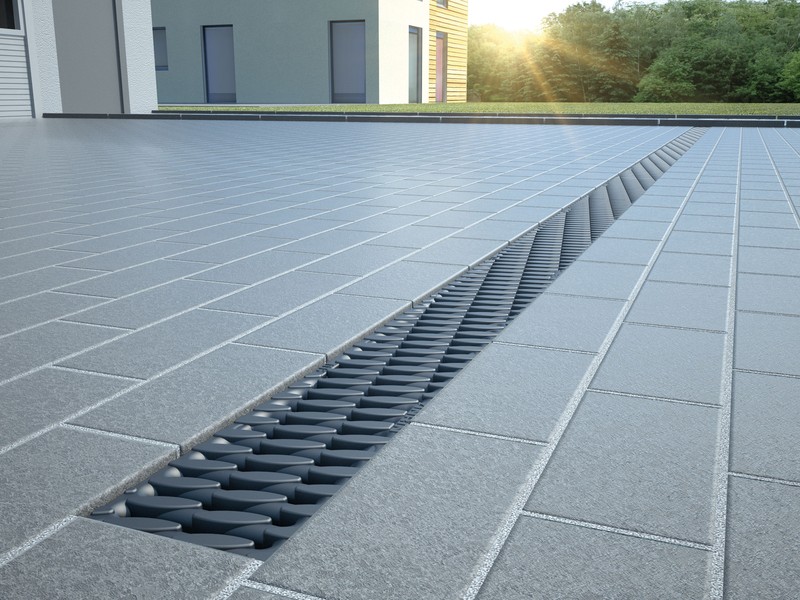
8.
The surface should be 2 to 5 mm higher than the cover grating.
Instructions and Regulations
Guidelines and regulations
The current guidelines and regulations of the state-of-the-art technology must be observed for the installation.
For example, these are:
DIN EN 1433 „Drainage channels for vehicular and pedestrian areas“
DIN 19580 „Drainage channels for vehicular and pedestrian areas“
RStO „Guidelines for the standardisation of the superstructure of vehicular areas“
DIN EN 206-1 „Concrete. Specification, performance, production and conformity“
DIN EN 1045-2 „Concrete, reinforced and prestressed concrete structures. Part 2: Concrete – Specification, properties,
production and conformity; Application rules for DIN EN 206-1“
References